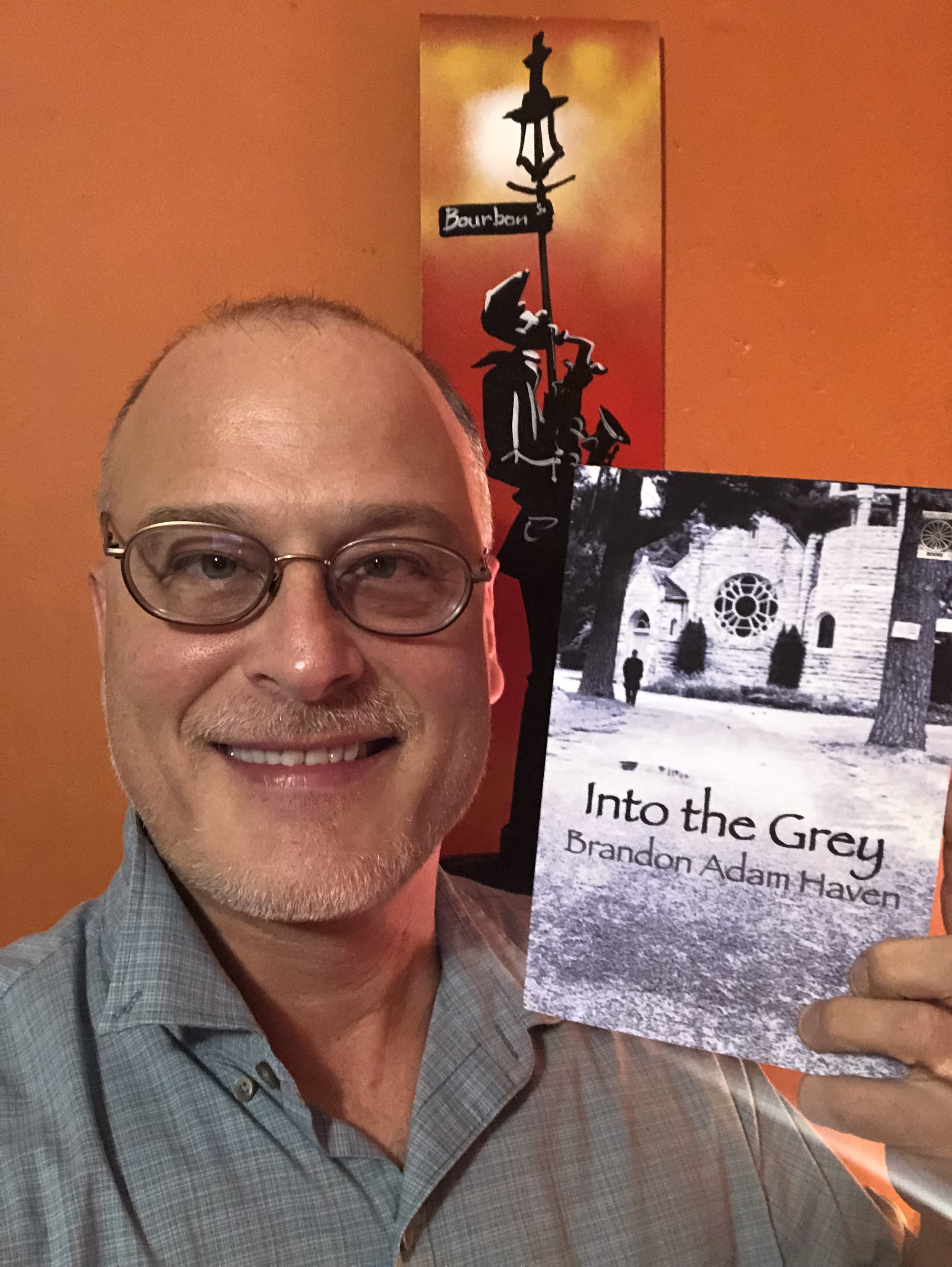
Poetry has the ability to create a specific atmosphere or mood that can evoke strong emotions and engage the reader's imagination. This can be achieved through a variety of poetic techniques, such as the use of imagery, tone, and rhythm. In this blog, we will explore the importance of creating atmospherics in poetry and how it can strengthen the reader's response, using William Blake's poem "The Echoing Green" as an example.
Atmosphere refers to the emotional or sensory environment created by a work of art. In poetry, the atmosphere is created through the use of many different language and poetic techniques. A skilled poet can use imagery, tone, and rhythm to evoke specific emotions and create a particular atmosphere as well as a correlation within that particular poem.
Creating an atmosphere in poetry is important because it can help the reader connect with the poem on a much deeper level. By immersing the reader in the atmosphere created within the poem, the reader can experience the emotions and ideas being conveyed in a more visceral way, leading to a stronger response.
William Blake's "The Echoing Green"
William Blake was a poet and artist who is known for his existentialism and his focus on nature, spirituality, and the imagination. In his poem "The Echoing Green", Blake creates a joyous and carefree atmosphere that celebrates the innocence and playfulness of childhood.
The poem begins with a description of a green field on a sunny day where the children play and the old men watch. The use of vivid imagery, such as "the sun does arise" and "the merry bells ring", creates a sense of joy and energy. The repetition of the word "echoing" in the title and throughout the poem creates a sense of continuity and harmony, as if the sounds of the children's play are echoing through time.
The tone of the poem is celebratory and nostalgic, as the speaker looks back on a time of innocence and happiness. The use of simple language and a regular rhyme scheme creates a sense of familiarity and ease, as if the reader is being invited into the world of the poem. This can create also a strong sense of captivation.
The atmosphere created by "The Echoing Green" is one of joy and celebration, which strengthens the reader's response to the content. By immersing the reader in the atmosphere of childhood play and innocence, the poem invites the reader to connect with the emotions and ideas being conveyed. The reader may be reminded of their own childhood or feel a sense of longing for a time when life was simpler and more carefree.
In conclusion, creating an atmosphere in poetry whether it be of light or dark is an important technique that can strengthen the reader's response to the content. By using imagery, tone, and rhythm, a skilled poet can create a specific emotional or sensory environment that immerses the reader in the world of the poem. William Blake's "The Echoing Green" is a beautiful example of how the creation of an atmosphere can evoke strong emotions and engage the reader's imagination. Creating atmospherics I know has been a huge influence and is one of the aspects of poetry I find most captivating and important with my own work.
Brandon Adam Haven
Image from Freepix